
Updated Sep 11, 2026 · 4 min read
What Is Paint Correction? When You Need It (and When You Don't)
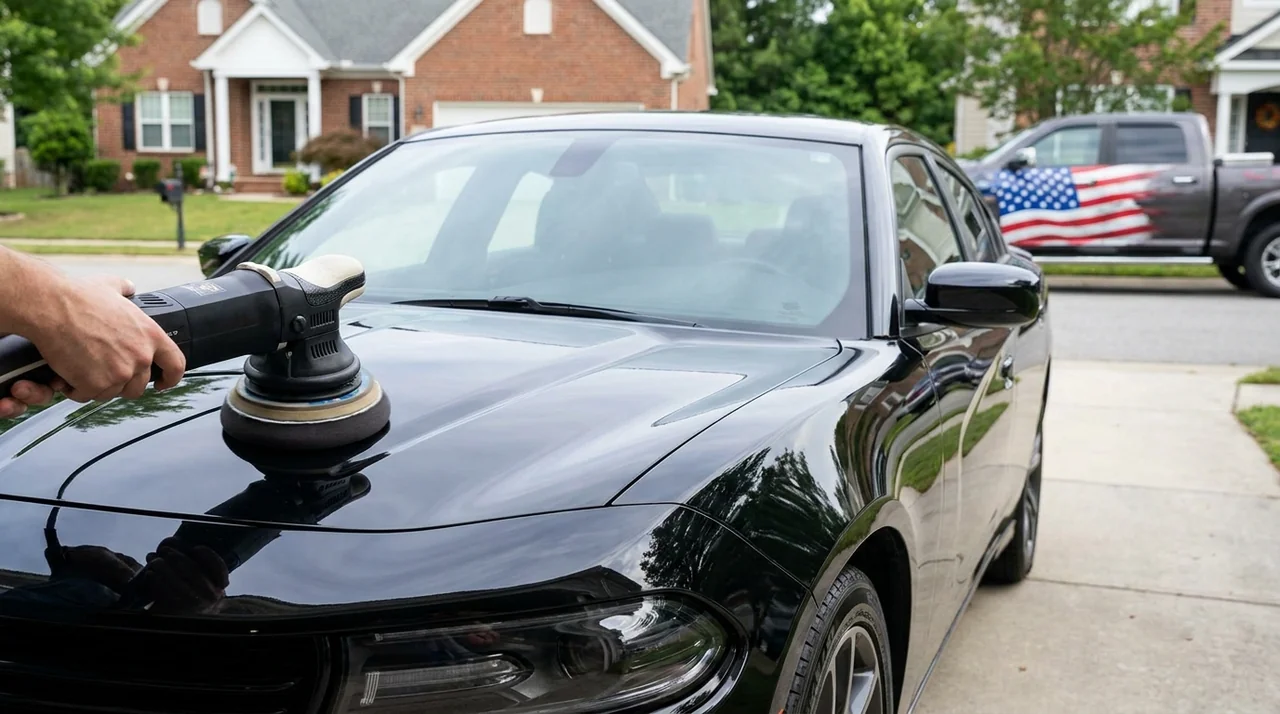
Paint correction uses an appropriate abrasive polishing process to improve defects in a vehicle’s finish. The realistic result depends on the defect, remaining paint and prior repairs. It is different from washing, applying protection or repairing missing paint.
Key takeaways
- Light swirls or haze: A test spot helps establish realistic improvement.
- Deep scratches or unknown repairs: Complete removal may be unsafe or impossible.
- Peeling or missing paint: Coating and polishing do not replace damaged paint.
By the numbers: real TopDetailers pricing
Figures below are aggregated from real prices published by detailers in our directory in our current pricing catalog. Ranges summarize the middle half of eligible advertised price rows, using midpoints for listed ranges. Businesses with several packages can contribute several rows. These are not paid invoices; confirm the scope and current price with the provider.
Paint Correction: median price by state
| State | Typical range | Median | Providers |
|---|---|---|---|
| California | $345–$800 | $500 | 65 detailers |
| Florida | $350–$749 | $450 | 57 detailers |
| Texas | $250–$599 | $399 | 41 detailers |
| Georgia | $400–$808 | $549 | 23 detailers |
| North Carolina | $350–$675 | $400 | 15 detailers |
| Washington | $349–$700 | $500 | 15 detailers |
| Arizona | $350–$600 | $500 | 13 detailers |
| Colorado | $300–$650 | $500 | 12 detailers |
| Pennsylvania | $350–$650 | $450 | 10 detailers |
| Illinois | $350–$600 | $400 | 9 detailers |
| New York | $250–$899 | $599 | 9 detailers |
| Ohio | $400–$700 | $440 | 9 detailers |
| Virginia | $300–$500 | $400 | 9 detailers |
| Tennessee | $230–$700 | $399 | 7 detailers |
| New Jersey | $274–$560 | $399 | 6 detailers |
| Oklahoma | $400–$700 | $475 | 5 detailers |
| Oregon | $350–$500 | $350 | 5 detailers |
| Utah | $540–$1320 | $900 | 5 detailers |
| Situation or option | What it means | What to check |
|---|---|---|
| Light swirls or haze | Inspection and suitable polishing | A test spot helps establish realistic improvement. |
| Deep scratches or unknown repairs | Paint assessment | Complete removal may be unsafe or impossible. |
| Peeling or missing paint | Repair/refinishing assessment | Coating and polishing do not replace damaged paint. |
Explore the related service, pricing and guidance ?
Start with inspection and a test spot
A detailer should assess the finish under appropriate light and discuss previous repairs or known damage. A small test area helps select a process and set expectations. Avoid promising a fixed percentage of defect removal before understanding the paint.
One step and multiple steps describe work, not certainty
A one-step enhancement may improve gloss and lighter defects. More involved correction can include cutting followed by refinement, but additional stages do not make every scratch safely removable. Ask which marks should remain to preserve the finish.
Polishing changes the surface; protection comes afterward
Appropriate abrasives remove material to improve a defect rather than simply cover it. Fillers or residue can temporarily change appearance, so discuss the final inspection process. Apply suitable protection afterward if agreed; coating is not a substitute for the correction itself.
Know when to stop
Deep defects, edges, compromised clear coat and unknown previous work can limit safe polishing. A finish that looks better while retaining some marks can be a more appropriate outcome than chasing perfection. Ask whether repair or touch-up is the correct route for damage outside polishing’s scope.
Maintain the result with suitable washing
Corrected defects do not reappear by themselves, but new wash marks and contamination can develop. Clean tools and appropriate washing protect the appearance. Do not schedule repeated correction as a substitute for improving the maintenance routine.
Product instructions and sources
These manufacturer references describe their own products and processes. They are not our independent performance tests; follow the instructions for the actual product used.
Frequently asked questions
Can paint correction remove every scratch?
Is polishing different from paint correction?
Find a top-rated detailer near you
Compare the best detailers in your city and request free quotes.
Get Free Quotes